
Plitvice Lakes in Winter: Is It Worth Visiting?
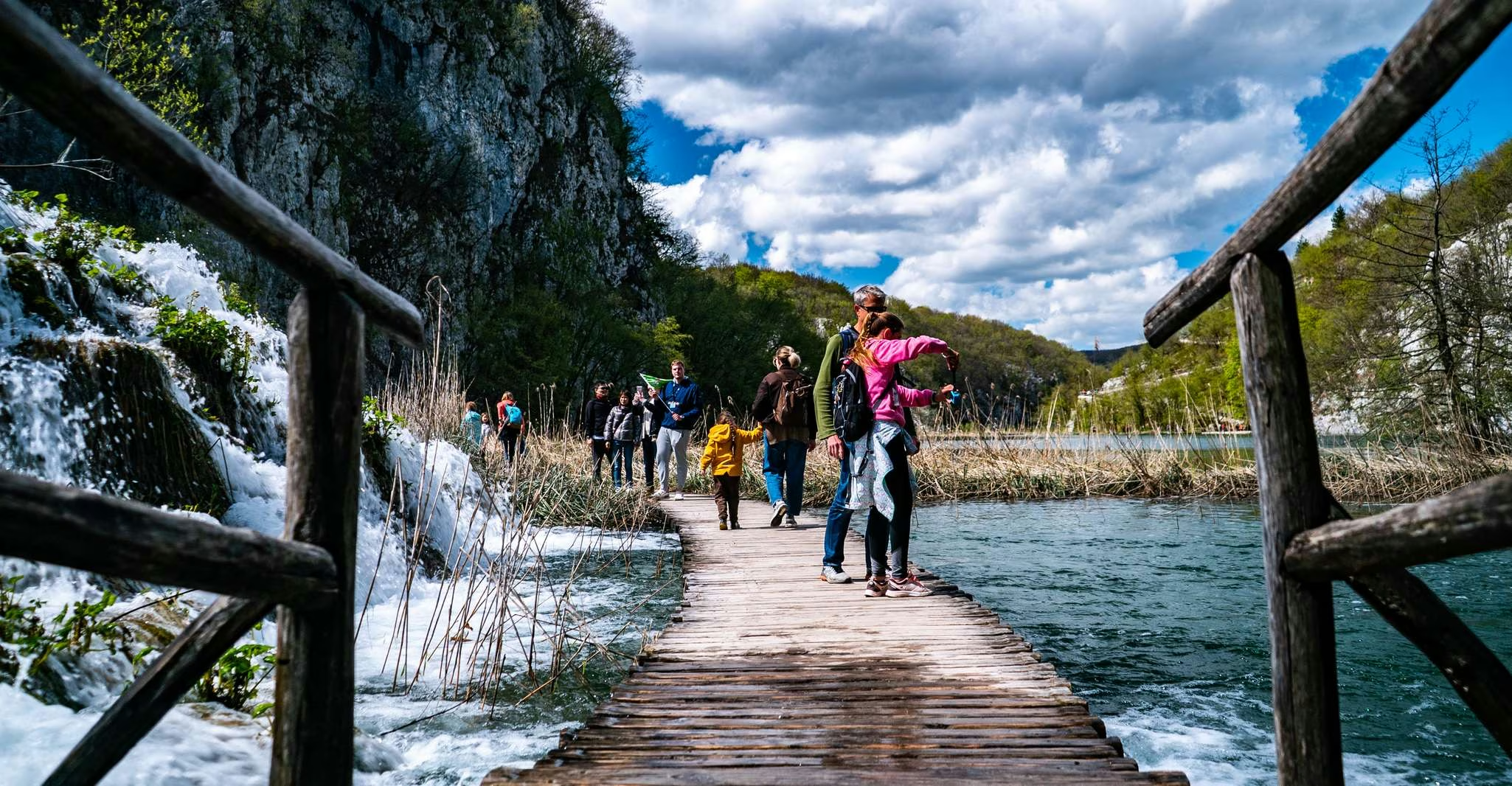
Yes, Plitvice Lakes is worth visiting in winter. The park transforms into an extraordinary frozen landscape — waterfalls partially or fully freeze into ice sculptures, the boardwalks are snow-covered, and visitor numbers drop to a fraction of summer levels. The ticket price falls to €10 per adult — the lowest of the year. The main limitation is that the Upper Lakes section is closed from approximately early November to mid-March for safety. Only the Lower Lakes remain accessible, but they are visually stunning and entirely manageable for a 3–4 hour winter walk.
There is a version of Plitvice Lakes that almost no one sees: a silent, snow-white landscape where waterfalls freeze into curtains of ice, the turquoise water steams against frozen air, and you can stand at the foot of Veliki Slap with nobody else in sight. Winter at Plitvice is not a compromise version of a summer visit — it is a completely different experience. This guide covers everything you need to know to make a winter visit work.
What Is Open in Winter
Lower Lakes: open (weather permitting): The Lower Lakes section — the park’s most dramatic section, containing Veliki Slap and the famous canyon boardwalks — remains accessible throughout winter. Boardwalks are gritted for safety. This is the section most winter visitors explore and it is more than enough for a memorable visit.
Upper Lakes: closed November to mid-March: The Upper Lakes section is closed each winter for safety due to ice and unstable conditions on the higher boardwalks. Routes E, F, and H (which begin at Entrance 2) are therefore unavailable in full winter.
Electric boat: may be suspended: The boat across Lake Kozjak operates when conditions allow but may be suspended during severe cold or heavy ice. Call the park before visiting (+385 53 751 014) to confirm current boat status.
Panoramic train: reduced schedule: The train typically operates in winter but on a reduced schedule. Some winter visitors report it running normally; others find it suspended during heavy snow. Confirm current status before visiting.
Entrance 1 only in deep winter: Some sources report that in very cold periods, only Entrance 1 (north) is open to the public. Entrance 2 may be closed. Always check the official park website or call ahead.
What You Will See: The Winter Spectacle
The defining spectacle of Plitvice Lakes in winter is the freezing of its waterfalls. As temperatures drop, waterfall spray forms icicles on surrounding rocks and vegetation. Over weeks of sustained cold these grow into massive ice formations — curtains, columns, and frozen cascades. Veliki Slap (Croatia’s tallest waterfall at 78 metres) rarely freezes completely due to its volume, but develops dramatic ice framing along its edges. Smaller cascades in the Lower Lakes can freeze entirely into surreal blue-white ice walls. The travertine barriers between lakes grow ice shelves and frozen drip formations. Against white snow and the lake’s characteristic turquoise, the visual effect is extraordinary.
Frozen waterfalls: The ice formations on the travertine barriers and around the cascades are endlessly varied — translucent icicles, layered ice shelves, and frozen spray patterns that look like abstract sculpture. No two visits produce the same ice formations.
Snow on the boardwalks: Walking narrow wooden paths above turquoise water in silence, surrounded by snow-covered forest, is a sensory experience that summer photographs cannot prepare you for.
The turquoise water against white: The lakes retain their extraordinary colour even in winter — the turquoise becomes more vivid in contrast to white snow and ice. Many photographers consider winter the most dramatic season for this colour contrast.
Absolute solitude: On a weekday in January you may have entire sections of the park to yourself. The contrast with summer — when these same boardwalks see thousands of visitors an hour — is hard to overstate.
Winter Weather: What to Expect
Plitvice Lakes sits at an elevation of 500–640 metres in the continental interior of Croatia — significantly colder than the Dalmatian coast. Winter conditions are genuine: snow is common from December through February, temperatures regularly drop below zero, and cold snaps can push lows to -10°C or below.
| Month | Avg High | Avg Low | Snow likely? |
|---|---|---|---|
| November | 7°C | 1°C | Occasionally |
| December | 4°C | -2°C | Yes |
| January | 3°C | -4°C | Yes (coldest month) |
| February | 5°C | -3°C | Yes |
| March | 9°C | 1°C | Possible early March |
Daylight is limited in deep winter — sunrise around 7:30 AM and sunset by 4:00–4:30 PM gives you approximately 8–8.5 hours of usable light. Plan your visit accordingly; the park’s ticket sales end at 4:00 PM in winter.
What to Wear
Winter at Plitvice demands proper preparation:
- Waterproof boots with insulation — the boardwalks are gritted but can have ice and slush; fashion footwear is dangerous
- Thermal base layers (merino wool or synthetic, not cotton)
- Fleece mid-layer
- Waterproof outer jacket and trousers
- Hat, gloves, and neck gaiter — mandatory, not optional
- Trekking poles — useful on icy sections
The canyon sections near the waterfalls are particularly cold, as mist from the falls creates persistent damp and the sun rarely penetrates in winter. Dress for colder conditions than the forecast suggests.
Practical Winter Tips
Call ahead: The park’s conditions can change overnight. Call +385 53 751 014 or +385 53 751 015 the morning of your visit to confirm which sections are open, whether the boat is running, and whether any trails are closed. This is strongly recommended.
Arrive at opening: In winter the park opens at 8:00 AM and ticket sales end at 4:00 PM. The light is best in the mid-morning hours (9:00–11:00 AM) when low-angle winter sun catches the ice formations. There is no reason to arrive late in winter.
Allow 3–4 hours: A winter Lower Lakes visit via Route A or Route B (if the boat is running) takes 3–4 hours at a comfortable winter pace. This is a realistic estimate in cold conditions where stopping for photography takes longer than in summer.
Bring a packed lunch: Some park restaurants are closed in winter or have limited hours. Lička kuća near Entrance 1 typically remains open, but verify before relying on it. Hot drinks in a flask are warmly recommended.
The €10 ticket price: Adult admission in winter (November–March) is €10 — a quarter of the peak summer price. For solo travellers or couples, a winter visit represents extraordinary value for what the park delivers.
Is the Winter Visit Worth It?
For visitors who can manage cold weather and are prepared for reduced services (Upper Lakes closed, boat possibly suspended), a winter visit to Plitvice Lakes is absolutely worth it. The frozen waterfalls, snow-covered boardwalks, and complete solitude deliver an experience that is objectively impossible to have in summer. The €10 admission price makes it Croatia’s best value natural wonder in the off-season. The main caveats: you must dress properly, call ahead to check conditions, and adjust expectations to the Lower Lakes rather than the full park.
For photographers, solo travellers seeking solitude, winter enthusiasts, and anyone who has already visited in summer and wants to see the park transformed — winter is a compelling and often life-changing visit.
Frequently Asked Questions
Are all the waterfalls frozen in winter?
Not necessarily all, and not always. Whether and how much the waterfalls freeze depends on the specific temperature pattern of that winter. In a mild winter, you may see minimal ice; in a cold snap, the smaller cascades freeze completely and even Veliki Slap develops dramatic ice framing. December and January are the most reliable months for ice formations.
Can I visit Plitvice Lakes on a day trip from Zagreb in winter?
Yes — the drive is approximately 2 hours each way and perfectly feasible. Leave Zagreb by 7:00 AM to arrive at the 8:00 AM opening and have maximum time before the 4:00 PM ticket sales cut-off.
Is the panoramic train running in winter?
Usually yes, on a reduced schedule — but not guaranteed. Call the park the day before to confirm.
Is it safe to walk the boardwalks in winter?
Yes — the park management grits the boardwalks and closes any sections that become unsafe. Use waterproof boots with grip and take particular care on shaded sections where ice can persist even after gritting.
