
Veliki Slap: Plitvice’s Great Waterfall
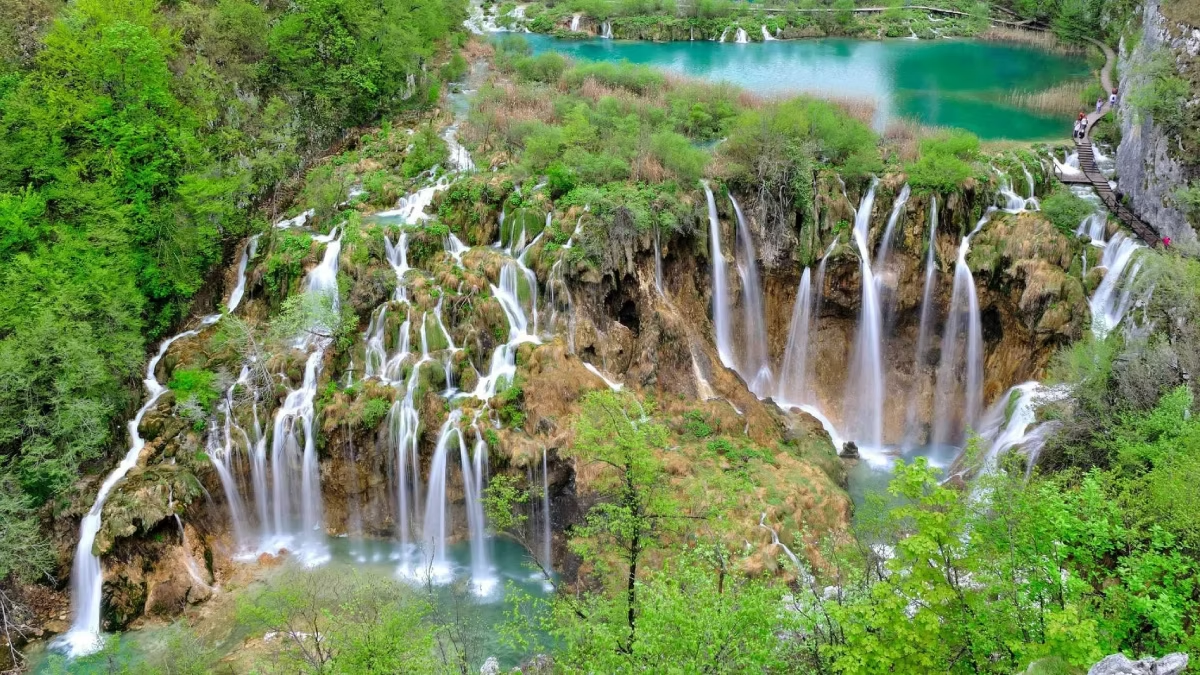
Veliki Slap (the Great Waterfall) is Croatia’s tallest waterfall at 78 metres. It is located in the Lower Lakes section of Plitvice Lakes National Park, accessible from Entrance 1 in approximately 10–15 minutes. Unlike the park’s other waterfalls — which are formed by water spilling between the terraced lakes — Veliki Slap is fed by the separate Plitvica Potok river, which flows 3 km west before dropping into the canyon. It can be viewed from an elevated platform near Entrance 1 (the classic “postcard view”), from the boardwalk at its base, and from a hidden elevated viewpoint above the falls. Visits are included in the standard park entrance ticket.
Veliki Slap — literally “the Great Waterfall” — is the most famous single sight at Plitvice Lakes National Park and Croatia’s tallest waterfall. It forms the dramatic anchor of the Lower Lakes section, and for most visitors it is the image they associate most strongly with the park: a single towering curtain of white water dropping 78 metres into the canyon while turquoise lakes spread around it. But Veliki Slap holds a distinction that sets it apart from every other waterfall in the park — and understanding it changes how you see it.
What Makes Veliki Slap Unique
Every other waterfall at Plitvice Lakes is formed by water spilling from one lake to the next as the lake system cascades down through the park’s travertine barriers. Veliki Slap is different. It is fed by the Plitvica Potok — an entirely separate river that rises west of the park and flows approximately 3 km through karst terrain before plunging over the canyon edge. This independent water source means Veliki Slap flows regardless of the condition of the lake system, and during periods of heavy rainfall it can become a thundering cataract of extraordinary power.
The waterfall drops 78 metres in a single drop into the lowest section of the Lower Lakes canyon, where it flows into the Korana River below. On the canyon walls around it, smaller cascades — the Sastavci waterfalls — create a visual complex of multiple falls visible together from the viewpoints above.
The Three Viewpoints
The elevated platform viewpoint (near Entrance 1): Approximately 50 metres down the main path from Entrance 1, a large wooden viewing platform looks out over the Lower Lakes canyon with Veliki Slap prominent on the right-hand side. This is the “postcard view” — the image that appears in most photographs of Plitvice Lakes. The full height of the waterfall is visible from here, along with the surrounding canyon, the Sastavci cascades, and the lower lake system below. This viewpoint is best in morning light (east-facing) and is the first sight visitors see upon descending from the entrance.
The boardwalk at the base: Following the lower boardwalk around Kaluđerovac Lake toward the waterfall brings you to a separate observation area at the base of Veliki Slap. From here you are directly in front of the falls, close enough to feel the mist on calm days. The perspective at the base emphasises the height of the waterfall — looking upward at 78 metres of falling water from below is a viscerally different experience from the elevated view above.
The hidden upper viewpoint: A less-visited but rewarding viewpoint is accessible by taking the stepped path up the left side of the waterfall, continuing through Šupljara Cave above, then following the cliff path approximately 150 metres until a small unmarked path branches right. This elevated lookout provides a view looking down over both Veliki Slap and the Sastavci waterfalls simultaneously — arguably the park’s finest single composition and one that only a small minority of visitors discover.
When to Visit for the Best View
Spring (April–May) is when Veliki Slap is most powerful. Snowmelt from the surrounding mountains sends maximum volume down the Plitvica Potok, creating the waterfall at its most dramatic — a full, thundering curtain of white water with considerable spray visible from the viewpoint.
After heavy rainfall at any time of year: Veliki Slap responds directly to recent rainfall. A visit within 24–48 hours of significant rain delivers a noticeably more powerful waterfall than during dry periods.
Summer afternoons: The canyon of the Lower Lakes is in partial shade in the morning (the western wall blocks early sun). The full canyon is illuminated from approximately 10:00–11:00 AM in summer, making mid-morning the best light window for the elevated viewpoint. The base viewpoint works well in soft overcast conditions at any time.
Winter: If temperatures have fallen below zero for a sustained period, Veliki Slap partially or fully freezes. Ice formations develop around its edges and on the surrounding canyon walls, creating an ice-framed waterfall of extraordinary beauty. This is one of the park’s most memorable sights and one that relatively few visitors ever see.
Quick Facts
| Height | 78 metres (255 feet) |
| Water source | Plitvica Potok river (not lake overflow) |
| Location | Lower Lakes section, near Entrance 1 |
| Walking time from Entrance 1 | 10–15 minutes |
| Viewpoints | Platform at top; boardwalk at base; hidden upper lookout |
| Best season | Spring for maximum volume; winter for ice formations |
Frequently Asked Questions
Is Veliki Slap the tallest waterfall in Croatia?
Yes. At 78 metres it is Croatia’s tallest single-drop waterfall.
Can you walk behind Veliki Slap?
No — there is no path behind the main curtain of the waterfall. You can approach the base of the falls on the boardwalk and stand directly in front of it.
Is Veliki Slap visible without descending to the canyon floor?
Yes — the elevated viewpoint platform near Entrance 1 provides an excellent view of the full waterfall without requiring descent to the lower boardwalks. This is the most accessible viewpoint for visitors with mobility limitations.
Does Veliki Slap always look the same?
No — the waterfall varies significantly with rainfall and season. In dry summer periods it may be a narrower, less powerful flow. After heavy rain or snowmelt in spring it becomes a wide, thundering cataract. In winter it partially freezes.
